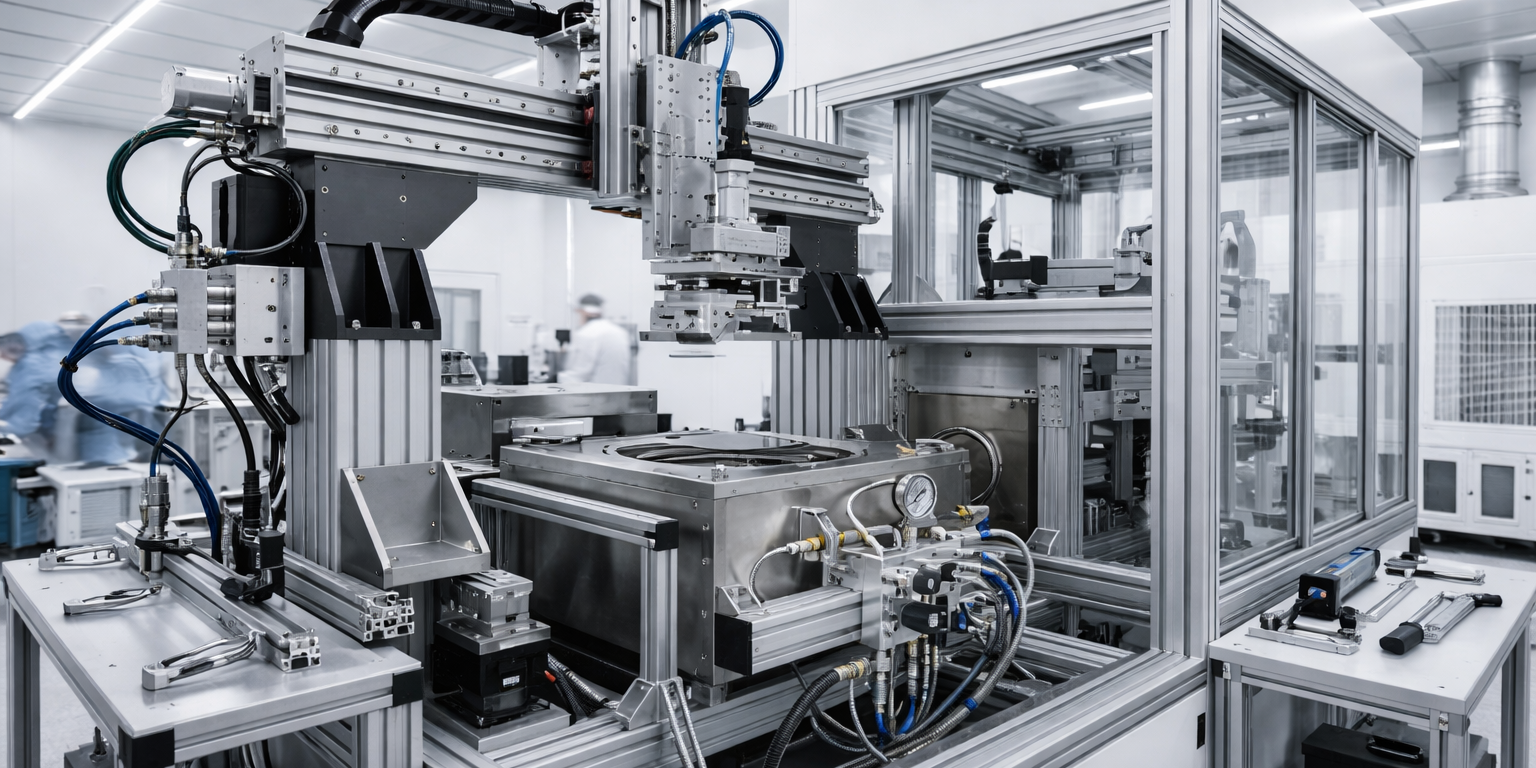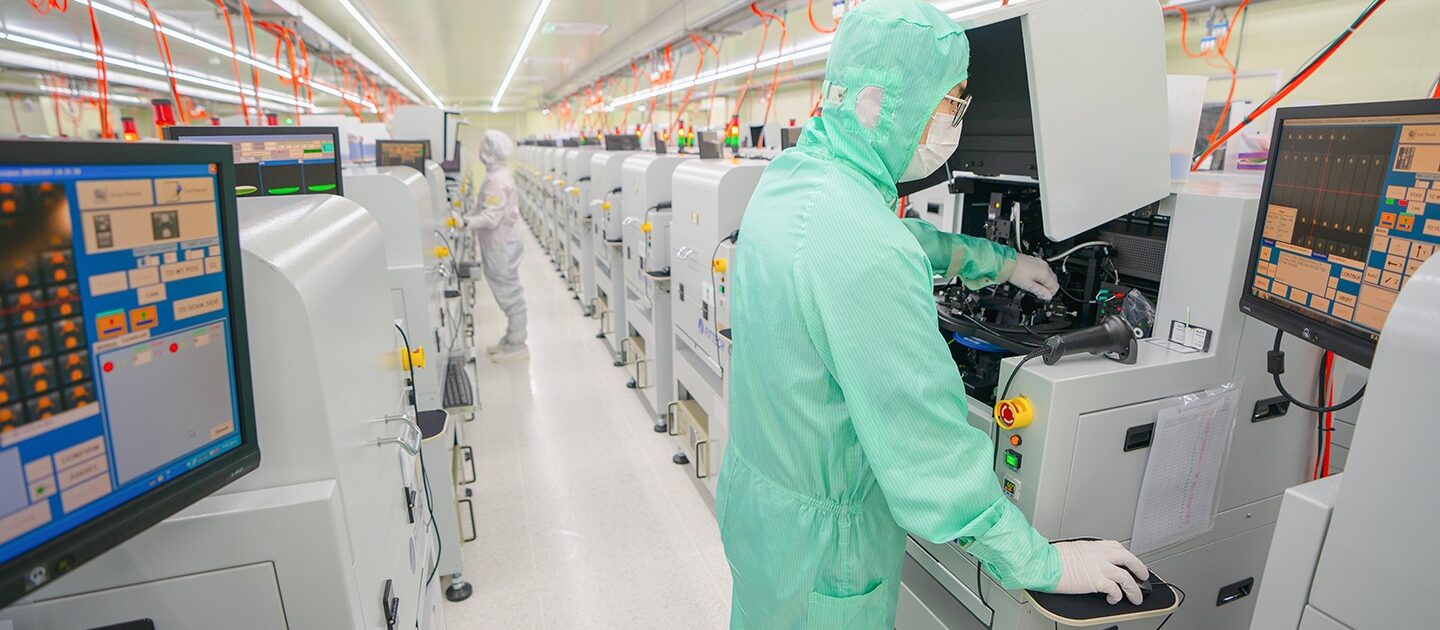

In the era of Industry 4.0, automation has transformed the way manufacturers design, operate, and maintain production systems. Automated manufacturing systems rely heavily on precision and reliability to meet the increasing demand for efficiency and high-quality output. Among the many tools used to monitor and maintain these systems, vibration analysis has emerged as one of the most effective diagnostic and predictive maintenance techniques. For manufacturers competing in today’s global economy, understanding and leveraging vibration analysis can be the difference between costly downtime and uninterrupted productivity.
Vibration analysis is the process of monitoring and interpreting the vibratory behavior of machines and mechanical structures. Every rotating or moving component in an automated system generates vibrations. While some level of vibration is normal, excessive or abnormal vibration often indicates potential issues such as imbalance, misalignment, looseness, or bearing wear. By measuring and analyzing these vibrations, manufacturers can detect problems early, prevent breakdowns, and optimize machine performance.
Automated manufacturing systems are complex networks of machines, robots, conveyors, and control systems. The interdependence of these components means that a single failure can trigger a cascade of downtime across the production line. Vibration analysis provides a non-invasive way to monitor the health of machines continuously, ensuring early intervention before problems escalate.
In the United States, where labor costs are higher and competition is fierce, maximizing equipment uptime is essential for profitability. Predictive maintenance strategies, powered by vibration analysis, help reduce unplanned stoppages, extend machine life, and lower overall maintenance costs.
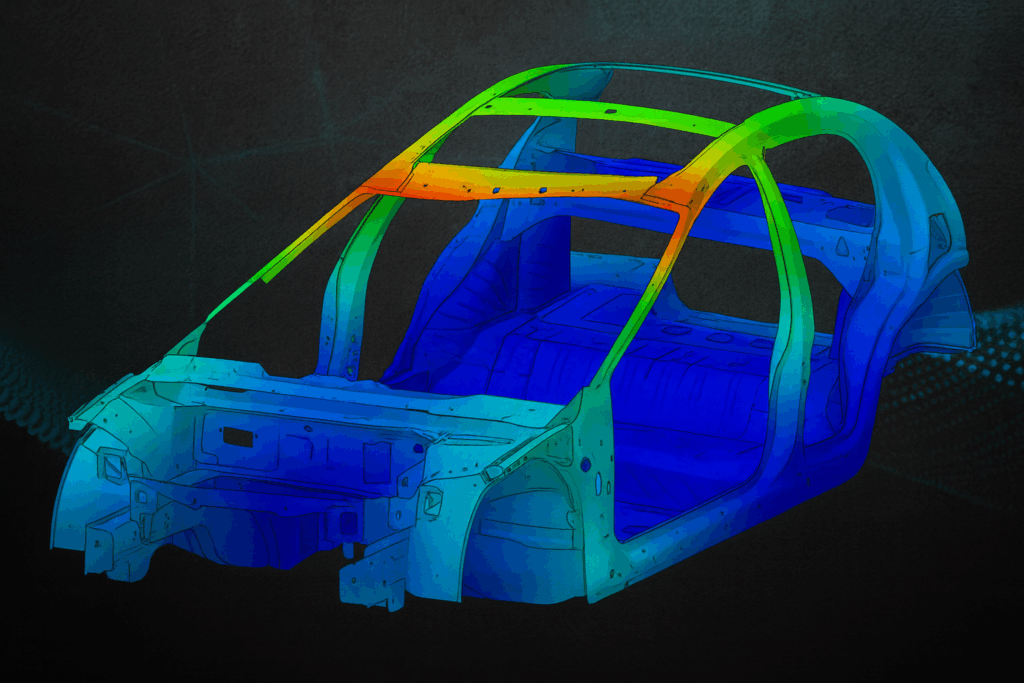
To ensure reliability and compliance, vibration analysis and testing often follow international standards:
Vibration analysis technology has advanced significantly in recent years. Manufacturers now have access to a range of tools tailored to different needs and budgets:
As smart factories and digital twins become more widespread, vibration analysis will play an increasingly vital role in predictive maintenance ecosystems. With the rise of AI-driven insights, cloud computing, and Industrial Internet of Things (IIoT) platforms, vibration monitoring is evolving from a reactive tool to a proactive and autonomous system.
In the near future, manufacturers can expect fully integrated systems where vibration data seamlessly interacts with production planning software, supply chain logistics, and quality control platforms. This convergence will not only minimize downtime but also enhance overall operational efficiency.
Vibration analysis is no longer a specialized maintenance tool—it is a critical component of modern automated manufacturing systems. By enabling early fault detection, reducing downtime, and improving product quality, vibration monitoring strengthens the foundation of predictive maintenance. As automation continues to expand, the integration of vibration analysis with smart technologies will help companies remain agile, efficient, and prepared for the challenges of tomorrow.
For manufacturers, leveraging vibration analysis is essential to remain competitive in an era defined by efficiency, reliability, and innovation. By adopting advanced monitoring tools and predictive diagnostics, companies can reduce downtime, lower maintenance costs, and extend equipment life. The future of automated manufacturing will be shaped by those who embrace data-driven insights, and vibration analysis stands at the center of this transformation.
At AES, we provide the expertise and solutions needed to integrate vibration analysis seamlessly into your operations. Partner with AES to accelerate innovation, improve performance, and stay ahead in the competitive manufacturing landscape. Contact us now!