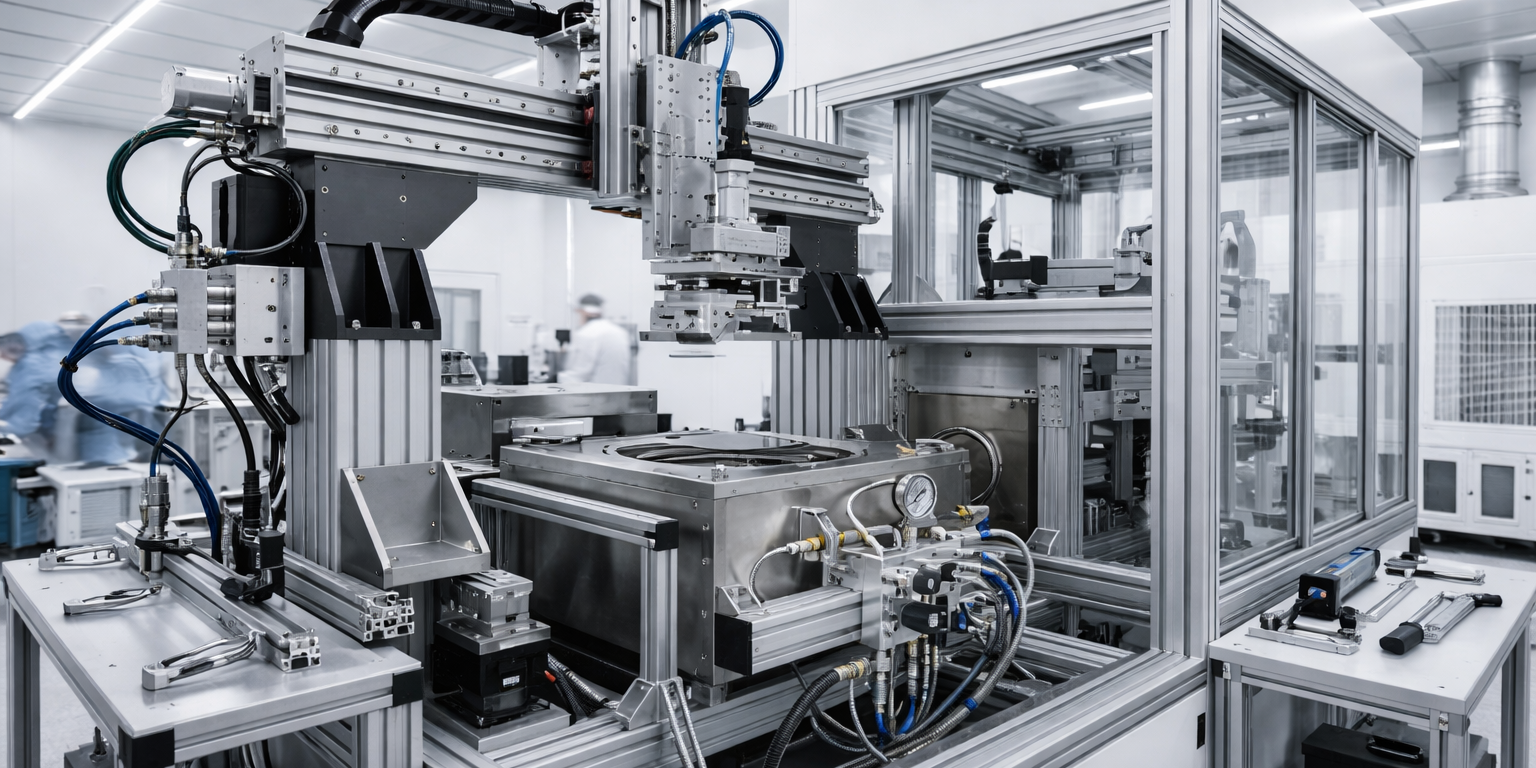
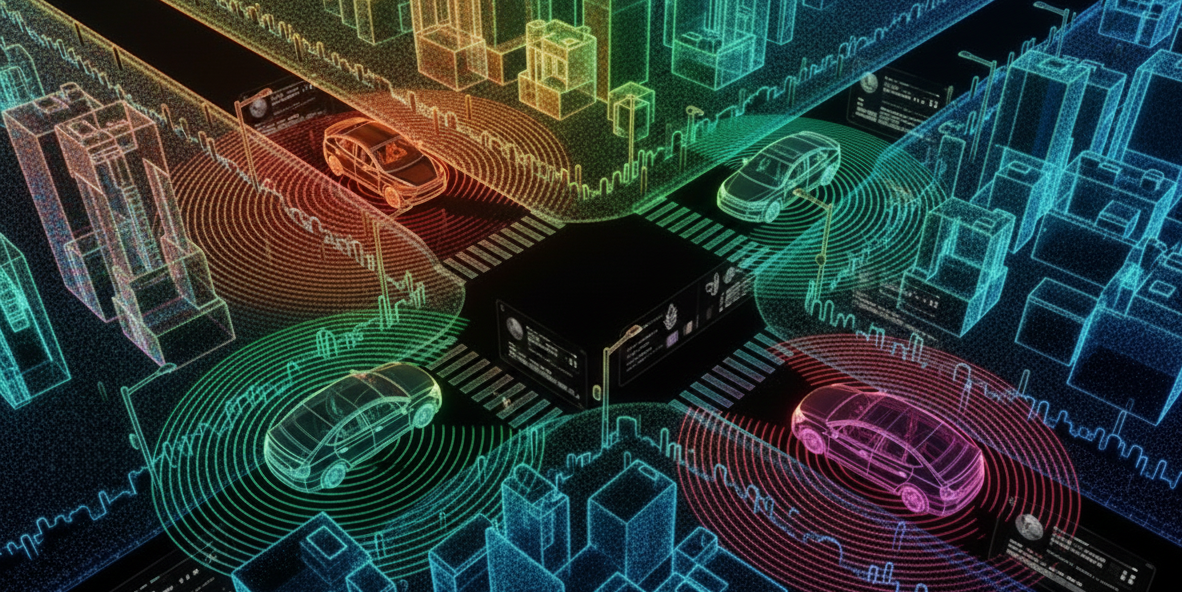
The rapid rise of industrial automation, smart mobility systems, and connected consumer products has pushed IoT devices into environments far more demanding than typical electronics. These devices may be installed on factory assembly lines, embedded in vehicles, attached to wearable medical systems, or deployed outdoors for years without maintenance. Their exposure to abrupt temperature changes, continuous vibration, mechanical impacts, humidity, and corrosive conditions makes design validation under thermal and vibration loads an essential stage of product development.
Effective validation protects product reputation, reduces field failures, prevents costly recalls, and ensures safe operation throughout the product lifecycle. This article explores how reliability engineering, thermal cycling, vibration validation, and failure analysis create robust IoT systems prepared for real-world stress.
IoT devices are deployed in unpredictable environments such as factory floors, engine bays, outdoor telecom towers, warehouse ceilings, and even inside medical wearables. Once installed, these systems are expected to operate autonomously for many years. Key environmental threats include:
Small failures such as solder joint fatigue, connector loosening, or sensor drift can grow into catastrophic device malfunction. Therefore, reliability validation must be integrated early into IoT engineering, not treated as a late-stage compliance task.
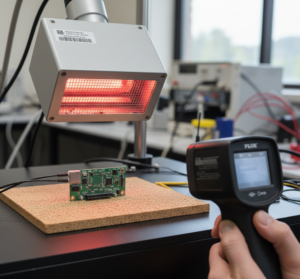
Thermal Cycling Testing: Thermal cycling exposes PCBs and assemblies to alternating low and high temperatures to accelerate real-world aging. IoT systems for industrial or automotive applications may face ranges such as -40°C to +85°C or even higher. Engineers monitor:
Issues identified often lead to design layout improvement, component re-selection, or better heat management strategies.
High-Temperature Operating Life (HTOL): Semiconductor devices are powered continuously at elevated temperatures to accelerate aging effects. HTOL provides insights into:
HTOL results support accurate lifetime predictions and strengthen MTBF (Mean Time Between Failures) estimates.
Heat Management Engineering: Preventing thermal stress begins with strong design principles. Techniques include:
Vibration Testing and Mechanical Reliability: Mechanical stresses are more common than designers expect. Outdoor modules sway on poles, wearables are frequently dropped, and vehicle-mounted trackers face constant vibration. These motion-driven forces can silently accelerate failures.
Random Vibration Tests: It simulates real-world excitation from industrial machines, vehicle movement, or drones. These tests expose:
Mitigation includes reinforced connectors, stiffeners, and optimized component placement.
Short, high-impact shock loads validate durability during handling, drop incidents, and installation errors. Engineers check:
Wearables and handheld IoT devices especially rely on shock testing to ensure user safety.
Resonance Identification: Every PCB and mechanical assembly has a natural frequency. If external vibration matches that frequency, failures accelerate rapidly. Modal analysis helps:
Managing resonance behavior is one of the most effective methods to extend product life.
Testing delivers value only when failures are investigated, understood, and corrected. Common tools for failure analysis include X-ray inspection for lifted leads, voids, and internal defects, Cross-sectioning of solder joints to study fatigue cracks, SEM/EDS for fracture and corrosion studies, Acoustic microscopy for internal delamination. The corrective actions are stronger component anchoring and mechanical support, Improved solder alloy or reflow profiles, Environmental sealing or conformal coating, Enhanced battery protection designs. Re-validation confirms that corrective measures address the root cause effectively.
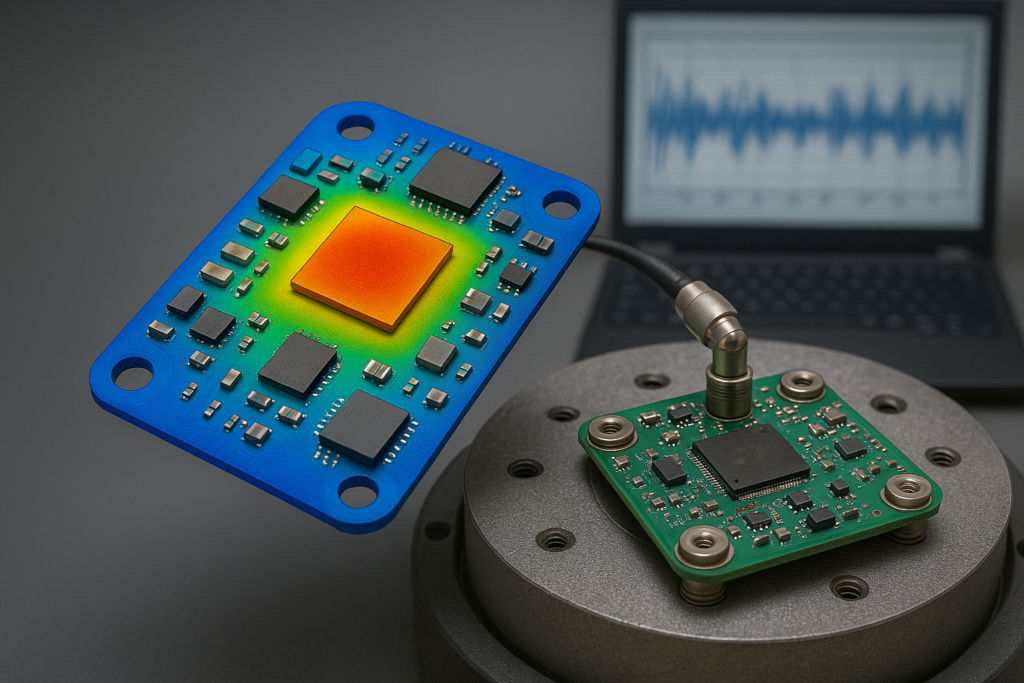
To improve reliability before validation begins:
These practices reduce design iterations and lower testing costs.
Rigorous environmental validation leads to
As IoT devices increasingly support safety-critical applications from autonomous mobility to medical telemetry, their performance cannot rely on ideal conditions. Rigorous validation is the only path to dependable connected systems.
Design validation under thermal and vibration loads is essential to building reliable, long-lasting IoT devices. Exposure to temperature extremes, mechanical shock, continuous vibration, and humidity can trigger hidden failures. By applying engineering methods such as thermal cycling, HTOL testing, vibration simulation, resonance analysis, and structured failure investigation, designers can identify weaknesses early, reinforce the system architecture, and prevent costly field returns.
Investing in environmental validation not only ensures compliance with industry standards but also enhances customer trust, reduces lifecycle cost, and improves long-term performance. As IoT devices expand into automotive, industrial, medical, and outdoor applications, robust reliability engineering will remain the foundation of safe and dependable connected technologies.