

When most people look at a beautifully sculpted automotive panel or a consumer product with flawless reflections, they see design. Engineers, however, see something deeper: a complex combination of geometry, mathematics, tooling science, manufacturing constraints, and uncompromising precision. This is the world of styling and class A surfacing model, where aesthetics meet engineering at the highest level.
Class A surfaces represent the pinnacle of digital surfacing. They are the final visible surfaces of a product and are the ones customers touch, see, and judge instantly. But behind that visual perfection lies an intricate engineering process that ensures every highlight, curvature, and reflection behaves exactly as intended.
Class A surfaces go beyond good styling. They require:
It is the intersection of design intent, engineering accuracy, and manufacturing feasibility.

1. High-Precision Class A Surface Modelling
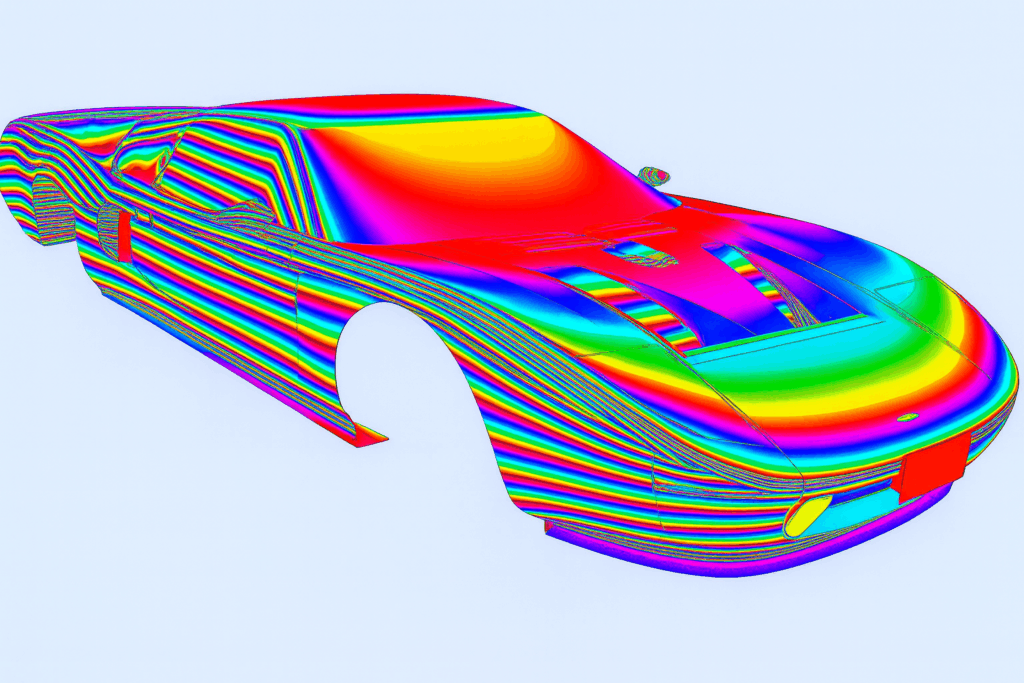
Class A surfacing is a precise engineering discipline. Every curve is defined mathematically, inspected through zebra analysis, and validated in CAD tools like CATIA or Alias.
Engineers ensure that:
This guarantees a premium, distortion-free appearance.
2. CAD-Based Class A Surface Modelling
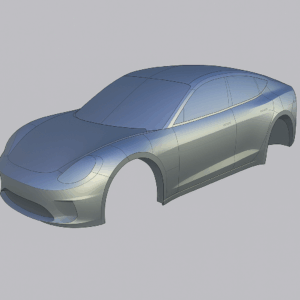
Modern Class A surfacing is powered by advanced CAD platforms capable of high-order continuity and parametric control.
These systems allow:
CAD is not just a drawing tool; it’s a digital craftsmanship environment.
3. Industrial Class A Surface Modelling
In real-world manufacturing, surfaces must perform as beautifully as they appear.
Industrial Class A development includes:
This ensures that the part looks perfect after production, not just in CAD. Styling Meets Engineering: A Collaborative Workflow Class A surfacing is where engineering precision transforms creative styling into manufacturable reality. Designers focus on intent, while Class Engineers refine:
The result is a product that meets both aesthetic expectations and engineering performance.
For industries like automotive, aerospace, consumer products, and industrial design, Class A surfaces directly influence:
A flawless surface is not just a design choice, but it is a competitive advantage.
Behind every elegant curve and every perfect reflection lies a team of engineers ensuring the product is not just beautiful but technically superior.
That is the true precision Styling and Class A surfacing, where engineering, artistry, and manufacturing excellence become one.
To know more or explore styling and Class A surfacing for your next program, visit the AES Contact Us page.